
In April 1988, Aloha Airlines flight 243, a Boeing 737-200, lost about 18 feet of its upper fuselage at 24,000 feet between Hilo and Honolulu. The crew landed on Maui; 94 of the 95 people on board survived. One flight attendant was lost.
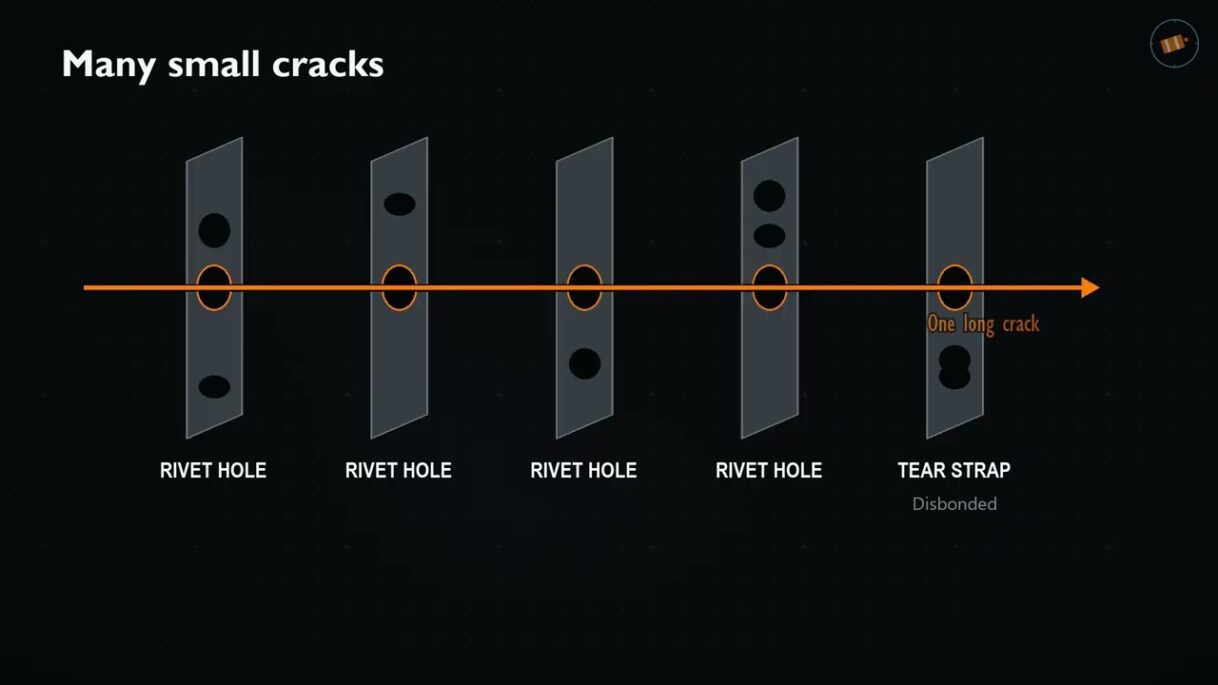
Told from the official final report (NTSB Aircraft Accident Report AAR-89/03): the flight and the descent to Maui, how a fail-safe fuselage failed, the cold-bonded lap joint and its fatigue cracks, why inspections split into 52 overnight blocks missed them, the warnings that came before, and the aging-aircraft rules that followed.
This video is told from the official final investigation report (listed below). Maps, instruments and diagrams are simplified reconstructions drawn by the channel from the report’s data and Natural Earth (public domain); anything that is our own analysis is labelled as such in the video. No crash footage is used.
Chapters:
0:00 Twenty-four thousand feet over Hawaii
1:05 An island-hopping airliner
2:17 The flight
3:36 Getting it down
5:28 What was missing
6:01 How a fuselage is meant to fail
6:53 The lap joint
8:12 The warnings
9:05 Inspections in pieces
10:34 Why the inspections missed it
11:31 The probable cause
12:06 What changed
13:34 What the report tells us
Sources (official reports first):
– https://prcarc1.erau.edu/aw-server/rest/product/purl/ERAU/s/a2e0590f-0afa-4901-ad3b-69bc13742865
– https://www.ntsb.gov/investigations/AccidentReports/Reports/AAR8903.pdf
Image credits:
– Public domain / free-licence imagery courtesy of: National Transportation Safety Board
source

